
Opcenter Intelligence Electronic provides decision makers with crucial information to produce quality products on time
It allows you to eliminate waste by quickly and intuitively improving asset utilization, first-pass performance, and defects per million opportunities(DPMO).
The importance of a smart manufacturing analytics solution
Opcenter Intelligence Electronics improves asset management through accurate, real-time updating of asset utilization and OEE. It enables the capture and analysis of all traceability data of PCB materials and assembly processes, leveraging the ability to store and make available big data. Ensures quality and promotes improvement by identifying and analyzing process defects and errors with respect to materials and processes. Increases design-to-manufacturing efficiency by identifying factors affecting yield and identifying areas for improvement.
Why choose Opcenter Intelligence Electronics for Manufacturing Analytics?
What is Manufacturing Analytics
Currently, software for Manufacturing Analytics constitutes the most advanced frontier in the digitization of electronic manufacturing and the factor that really makes a difference in competitiveness. But what is Manufacturing Analytics? It is simply "Data Analytics" applied to manufacturing. Data analytics is the process of analyzing data sets to conclude the information they contain.
There are four main types of data analysis:
- The descriptive analysis helps answer questions about what happened.
- Diagnostic analysis, which helps answer questions about why things happened.
- Predictive analytics helps answer questions about what will happen in the future.
- Prescriptive analysis, which helps answer questions about what should be done
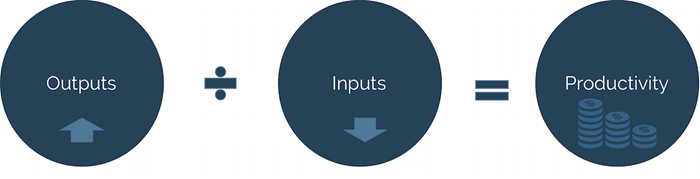
When we talk about Manufacturing Analytics software and then how to apply Data Analytics to manufacturing, our main focus is productivity. In other words, the question is how we can increase productivity in the production process. In general, productivity can be defined as the ratio of the quantity of output to the weighted average of the inputs used in the production process.
Why is Manufacturing Analytics software is so useful?
The most important answer to the question of increasing productivity is found in the data generated within the factory. A "digital twin" of operations can be able to analyze and understand what is happening, why it is happening and how to improve it. Research shows that while the amount of data generated by manufacturing operations increases exponentially, only a small portion of it is actually collected and an even smaller portion is analyzed. Our goal is to change this state of affairs with a practical approach that focuses on multiple levels of data analysis in manufacturing (Manufacturing Analytics).
Benefits of Manufacturing Analytics:
Opcenter Intelligence Electronics, Siemens' platform for Manufacturing Analytics
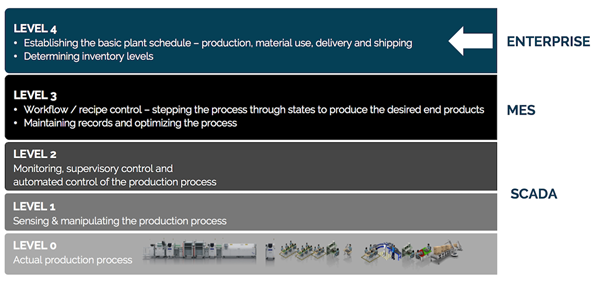
Opcenter Intelligence Electronics is Siemens's advanced platform for Manufacturing Analytics. By collecting, storing, processing and analyzing production Big Data, it enables meaningful insights. It is an "Enterprise Solution," which means that it enables basic plant planning, production, material usage, delivery and shipping, as well as determining inventory levels.
Opcenter Intelligence Electronics is also an Enterprise Solution because it allows control over multiple sites. If a company has several facilities, regardless of their geographic location, it enables a central implementation, which allows data to be collected, reviewed, and compared across multiple sites. Real-time data are available everywhere for decision making.
Opcenter Intelligence Electronics is also an Enterprise Solution because it allows control over multiple sites. If a company has several facilities, regardless of their geographic location, it enables a central implementation, which allows data to be collected, reviewed, and compared across multiple sites. Real-time data are available everywhere for decision making.
How Manufacturing Analytics Works with Siemens Opcenter Intelligence Electronics
This Siemens solution for Manufacturing Analytics provides added value in 4 different areas of activity:
A key feature of the platform is its notification system. Notifications are sent to the appropriate users via email or SMS, and alerts can be configured for any type of issue.
For example, it is possible to set a trigger for each rejection of a component above a certain price threshold. The parameter considered can be the average component loss in euros per placed component. This average loss can be calculated based on the last five placed components, where five is a configurable variable.
If a component costs 100 €, the cost per component after five placements, three of which are rejected, would be calculated as 3 × 100 € / 5 = 60 €.
Users can define customized rule sets for notification management.
In summary, Siemens Opcenter Intelligence Electronics for Manufacturing Analytics is designed to collect, store, and analyze large volumes of manufacturing data.
The platform provides greater visibility into equipment, processes, products, and supply chain performance.
It allows users to quickly identify and monitor production or supplier issues, prevent costly recalls, detect emerging trends, and resolve quality problems efficiently.
For example, it is possible to set a trigger for each rejection of a component above a certain price threshold. The parameter considered can be the average component loss in euros per placed component. This average loss can be calculated based on the last five placed components, where five is a configurable variable.
If a component costs 100 €, the cost per component after five placements, three of which are rejected, would be calculated as 3 × 100 € / 5 = 60 €.
Users can define customized rule sets for notification management.
In summary, Siemens Opcenter Intelligence Electronics for Manufacturing Analytics is designed to collect, store, and analyze large volumes of manufacturing data.
The platform provides greater visibility into equipment, processes, products, and supply chain performance.
It allows users to quickly identify and monitor production or supplier issues, prevent costly recalls, detect emerging trends, and resolve quality problems efficiently.
OEE vs. Live OEE
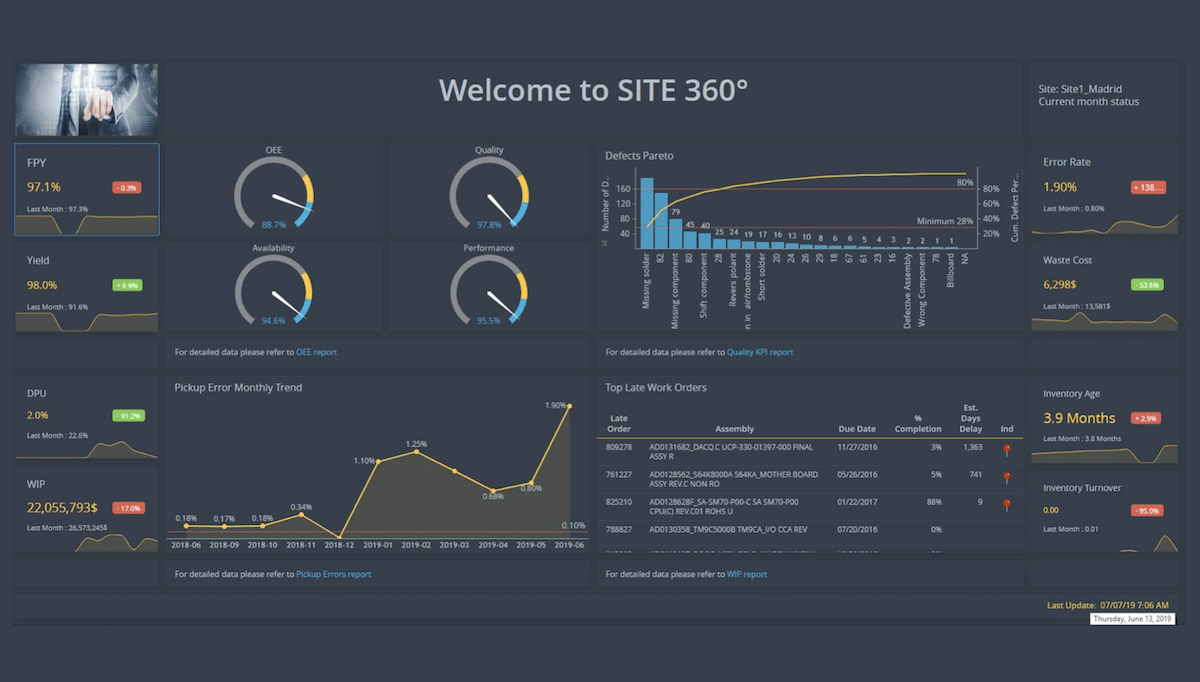
There is a difference between OEE (Overall Equipment Effectiveness) and Live OEE. In OEE, operators are evaluated on numbers, not utilization, production managers are focused on optimizing the OEE index, not overall production. In this case, the OEE data sent from China to the headquarters of a German automaker registered 80% on average, but after the installation of live OEE, the same figure plummeted to 52%. This is the main Dashboard that presents a complete WIP status, including: Asset Management-Accurate Real-Time Utilization and OEE, Quality, Materials, Waste Cost, Current Location at each site, with the option of being able to compare data with the last 18 months.
Request more information or your price quote