PLM myths
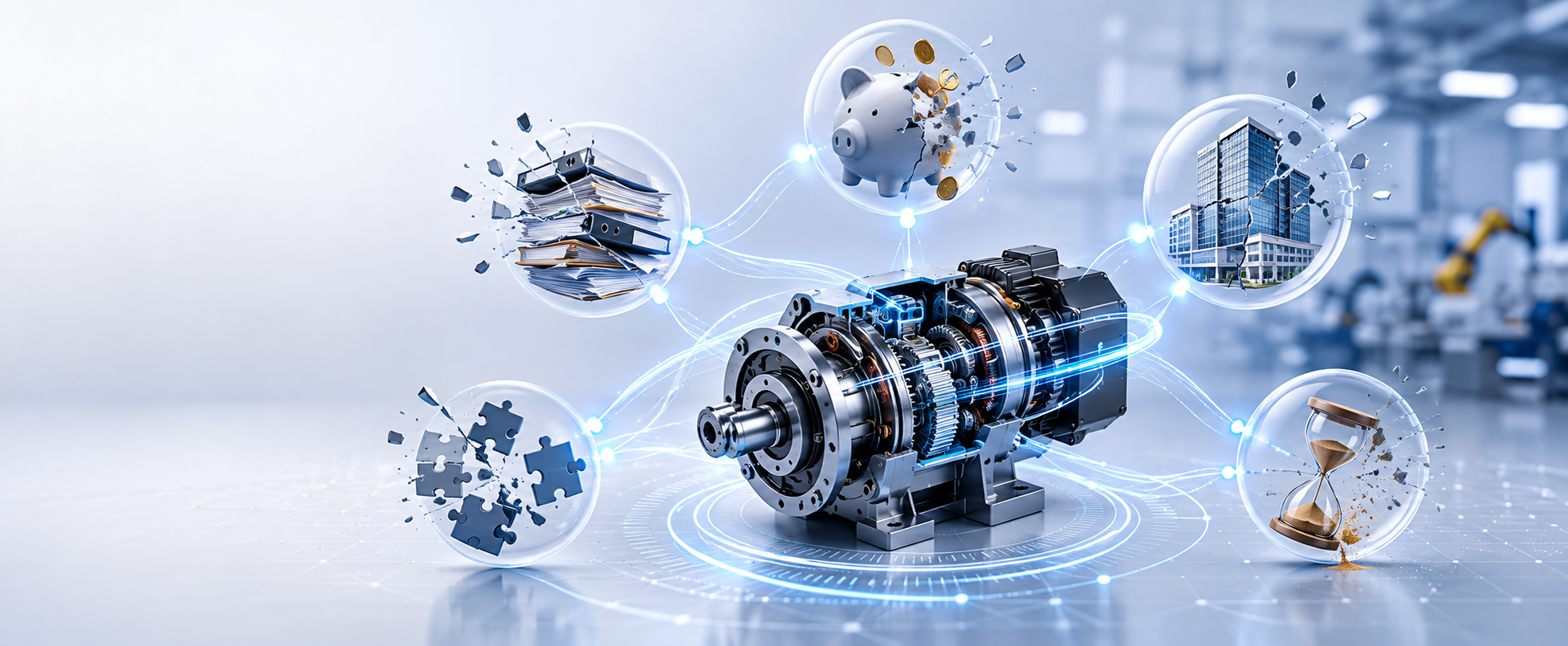
Companies have to manage a growing number of variants, revisions, regulations and market demands. Without a PLM platform, information risks ending up scattered across local files, emails and spreadsheets, with inevitable inefficiencies.
Myth 1 – PLM and PDM are the same thing PDM organizes technical product data, while PLM extends management to business processes, approval workflows and cross-departmental collaboration.
Myth 2 – PLM is only useful to the engineering department Production, purchasing, quality, sales and after-sales all work from the same up-to-date data, which improves communication and reduces errors.
Myth 3 – It is a solution only for large companies SMEs can see immediate benefits thanks to progressive, scalable implementations.
Myth 4 – Implementing PLM is too complex Modern platforms let you start with the essential functionality and expand the project gradually over time.
Myth 5 – If you already have an ERP, PLM is unnecessary ERP and PLM serve different, complementary purposes: the first manages company resources, the second the body of information relating to the product.
Myth 6 – PLM and Artificial Intelligence are technologies of the future Artificial Intelligence applied to PLM is already a reality.
The most advanced Product Lifecycle Management (PLM) systems build in AI technologies to improve information management and speed up product lifecycle processes.
One example is SolidRules, PLM software that integrates local Artificial Intelligence models capable of analyzing documents, tickets, quotations and projects in real time, making technical and business information easier to reach.
Unlike third-party cloud AI solutions, SolidRules AI runs on-premise. That means data stays inside the company, there are no per-query costs and the system can be used even without an internet connection.
Combining PLM and Artificial Intelligence also makes intelligent semantic search possible. Rather than simply looking for exact word matches, the system understands the meaning and context of the query in order to find relevant information more quickly.
In this way, AI built into a PLM system helps cut the time spent searching for information, makes technical knowledge easier to access and improves team efficiency across the organization. PLM with Artificial Intelligence is not the future: it is technology that industrial companies can already take advantage of today.
.png?h=1158&iar=0&w=2298&hash=F0988F62BDDFF4FE0930FE278D8572BB)
SolidRules lets you digitalize product lifecycle management, improving revision control, traceability and integration with CAD and ERP systems. The aim is to increase process efficiency and reduce lead times and errors.
What is PLM software?
A platform that manages data, processes and collaboration throughout the entire product lifecycle.
What is the difference between PDM and PLM?
PDM manages technical data; PLM also covers workflows and processes.
Is PLM suitable for SMEs?
Yes, thanks to modular, scalable implementations.
Does PLM replace ERP?
No, the two systems are complementary.
How long does a PLM project take?
It depends on the complexity of the company, but it can be implemented in phases.
Overcoming these myths means understanding the real value of Product Lifecycle Management. A modern PLM system is a strategic investment that improves collaboration, quality and competitiveness.
Want to find out whether a PLM system is right for your company?
Find out how SolidRules can help you digitalize product lifecycle management and turn technical information into a competitive advantage.
The Var Industries team, an official Alexide partner, is on hand to look at your requirements and show you what the solution can do in a personalized demo. Request more information or a demo and find out which PDM/PLM solution best fits your company.