
Reduce costs, improve quality: the winning formula for success
Teamcenter Quality is not just a single product, but a family of integrated solutions that seamlessly connect with the Teamcenter collaborative platform, ensuring efficient, effective, and convenient quality management across all business domains.
Continuous Improvement
Thanks to Teamcenter Quality, complaints or quality issues can be captured across the organization simply by including corporate quality teams within the Teamcenter collaborative platform.
Teamcenter Quality provides root cause analysis methods, the ability to define corrective and preventive actions, and centralized monitoring of all activities, aiming to reduce the total cost of quality. Additionally, all quality issues can be recorded and shared internally.
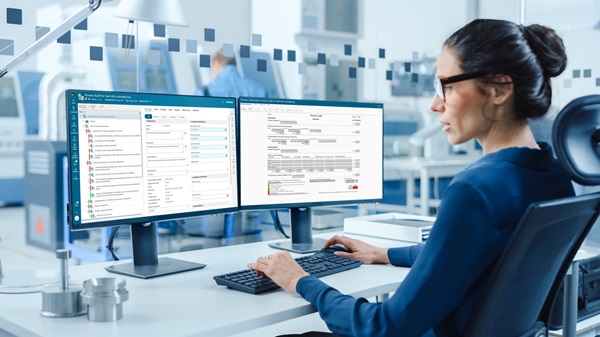
Quality Management
A perfectly planned product requires aligned procurement and production processes to achieve the desired quality level. Process optimization in the production environment involves preparation and line support as an integral part of the product’s production from the very first steps of its lifecycle. Thanks to Teamcenter Reporting and Analytics, it is possible to monitor the achievement of the selected KPIs.
Quality Control Process Management
In terms of quality, significant process optimizations are implemented during the design, development, and production phases of the product.
Advanced product quality planning comes into play during product planning, design and development, product and process validation, and mass production, as well as in feedback, evaluations, and corrective measures.

Supplier Quality Assessment
Suppliers can be an integral part of the new product development process for any company.
As companies strive to improve quality and reduce costs, suppliers often play a crucial role in providing parts and components for selected products. A robust supplier evaluation process helps clarify roles and set appropriate expectations.
However, this process also carries the responsibility of ensuring that each supplier operates according to standards and is a suitable business partner. With Teamcenter Quality, quality processes can be managed in relation to suppliers to support the quality of supplied parts.
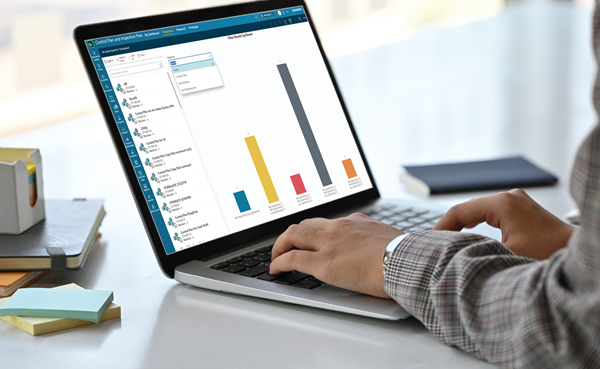
Environmental compliance and sustainability
To remain competitive in today’s market, manufacturing companies consider environmental compliance and product sustainability as key success factors.
Achieving environmental compliance requires a sustainability framework based on a PLM (Product Lifecycle Management) platform, which enables the exclusion of non-sustainable or restricted substances from products and the inclusion of more ecological and innovative materials.
Teamcenter PLM allows you to control and track the materials used in product manufacturing, down to individual substances, ensuring both environmental compliance and product sustainability.
This approach makes it possible to limit the use of hazardous substances in products and reduce the risk of non-compliance with legal directives such as REACH, RoHS, and conflict minerals regulations.
Request more information or your personalized quote